


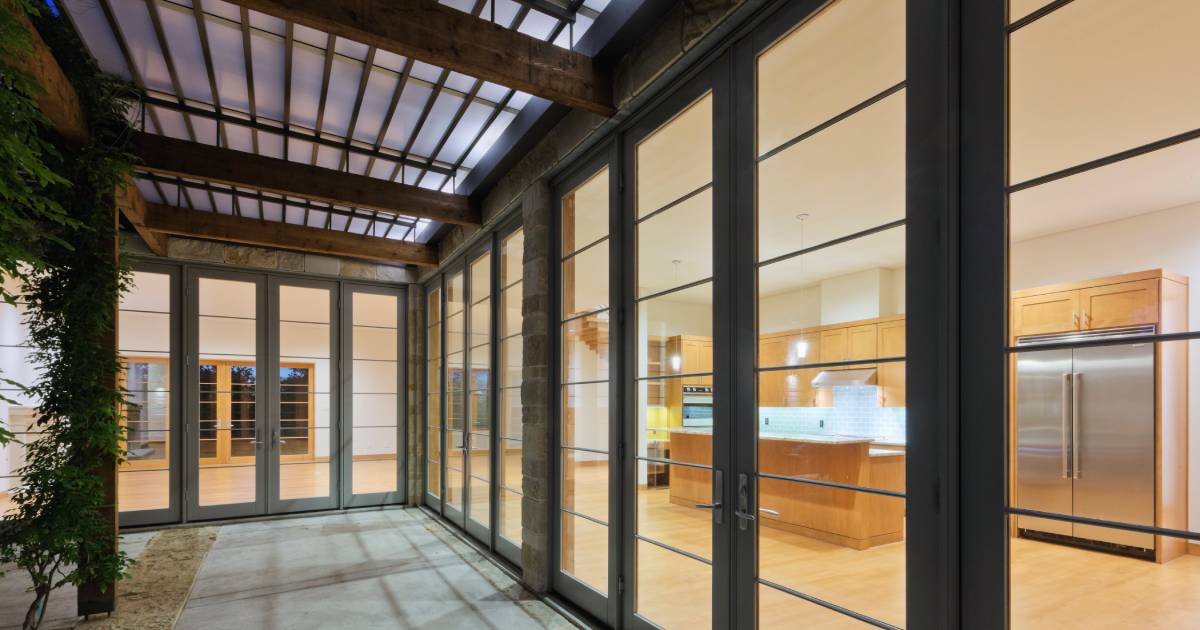
Aluminium Vs uPVC Bifold Doors
Bifold doors have transformed how many UK homeowners connect their living space with the outdoors. They bring in more light, make rooms feel larger and create an open flow that suits modern living. But when it comes to choosing the right material, most people end up comparing aluminium and uPVC bifold doors — two options that look similar at first but perform very differently. If you’re trying to decide between the two, this guide will help you understand how each material works, what you get for your money and which choice is likely to serve your home best over time.
What Homeowners Really Want From Bifold Doors
Most people aren’t just looking for a door that looks good. They want:
- Reliable Insulation
- Smooth Operation
- Long-term Durability
- A Design that Suits Their Home
- Value for Money
The problem is that aluminium and uPVC each excel in different areas, which is why understanding the differences matters before you spend anything.
Appearance and Frame Style
If a modern, minimal look is important to you, aluminium tends to stand out. Its strength allows the frames to be much slimmer, which increases the glass area and gives a more contemporary finish. This is one of the main reasons aluminium is regularly chosen for extensions and new builds.
uPVC Bifold Doors, however, remain a strong option for homes that want a softer or more traditional look. They may have slightly thicker frames but modern uPVC designs have improved significantly and are available in a wide range of colours, including woodgrain styles that complement older properties.
Both materials can look smart and well-designed but aluminium naturally achieves the slimmer profile.
Thermal Efficiency and Insulation
For years, uPVC was considered the better insulator and it still holds strong natural thermal properties. High-quality uPVC bifold doors can help reduce heat loss and maintain consistent indoor temperatures without needing extra internal structures.
Aluminium has closed the gap. Modern aluminium frames include thermal breaks designed to limit heat transfer. When manufactured well, these doors can match or even outperform uPVC on some insulation tests.
If energy efficiency is your priority, both materials can perform very well. The key difference is cost: uPVC tends to offer strong insulation at a lower price, while aluminium delivers high efficiency with a higher initial investment.
Strength, Stability and Everyday Use
Aluminium is known for its strength. It stays rigid even in wide configurations and is less affected by temperature changes. This makes it a good choice for larger openings or homes that want the smoothest long-term operation.
uPVC is durable too but it’s a more flexible material. In warm weather, it can expand slightly, which is why choosing a reputable manufacturer matters — the quality of the build determines how stable the door will remain over time.
For particularly wide bifold sets or rooms where the doors will be used frequently, aluminium tends to offer more long-term stability.
Maintenance and Longevity
Both materials offer low maintenance. uPVC is resistant to fading and only needs simple cleaning to stay in good condition. Aluminium also requires very little upkeep and generally holds its colour and finish for many years thanks to powder-coated surfaces.
If lifespan is a priority, aluminium typically lasts longer. uPVC provides many years of reliable use but aluminium is known for holding its shape and finish extremely well.
Cost and Value
Price is often the deciding factor.
uPVC bifold doors are usually more affordable upfront, making them a practical choice for homeowners working within a set budget. They offer good energy performance and reliable quality without a high initial cost.
Aluminium costs more but you’re paying for the slimmer frames, modern appearance, stronger structure and longer lifespan.
The better value depends on what matters most to you — aesthetics, performance or long-term investment.
Which Option Should You Choose?
Both aluminium and uPVC bifold doors offer genuine advantages. Aluminium gives you slimmer frames, long-term stability and a modern finish that suits contemporary homes. uPVC offers strong insulation and a more accessible price point without compromising day-to-day performance.
The right choice depends on the style of your property, the size of the opening and how much you want to invest. When the doors are manufactured well and fitted correctly, both materials can deliver excellent results. If you want clear guidance based on your home’s layout and what you’re trying to achieve, Secure Trade Frames can help you compare options and choose a bifold system that performs well, looks right and suits your long-term plans.
