


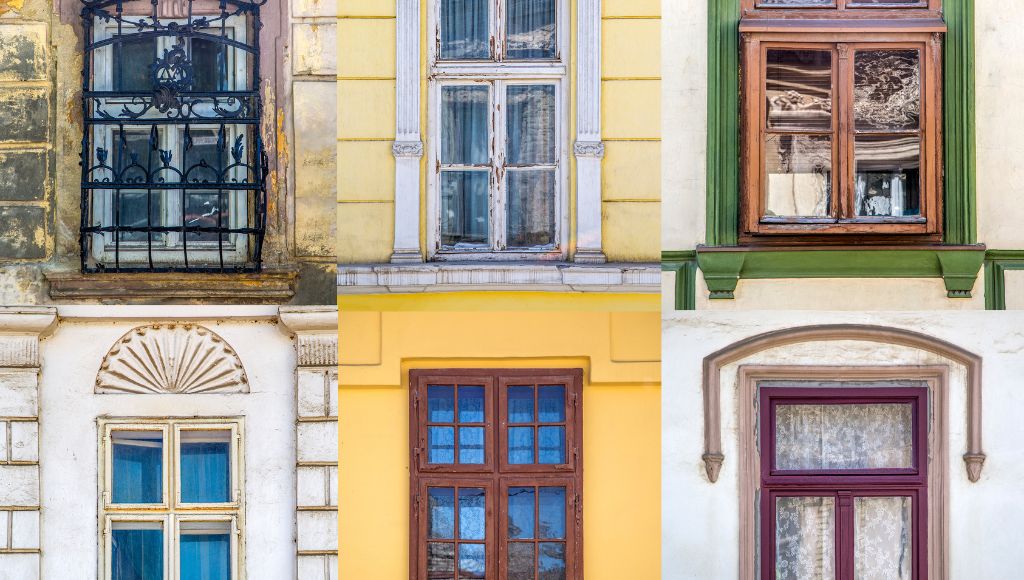
Choosing new windows for your home sounds straightforward until you start looking at the options. Casement, flush casement, top hung, French casement, the list grows quickly. Most homeowners know they want something that looks good, keeps the heat in and feels secure. But knowing which type actually fits your home is a different question.
Casement windows are chosen by homeowners across the UK more than any other window style. They are versatile, energy efficient and available in a wide range of designs to suit everything from Victorian terraces to modern new builds. This guide walks you through the most common types of casement windows so you can make an informed decision before committing.
What Makes a Casement Window a Casement Window?
At their core, all types of casement windows share one defining feature: they are hinged at the side and open outward, much like a door. The sash swings away from the frame when you turn the handle, allowing the whole opening to be used for ventilation.
Casement windows provide an airtight and watertight seal on all four sides, making them particularly well-suited to energy efficiency and draught prevention. That combination of practical performance and clean appearance is why they remain the most common type of casement window fitted in UK homes today.
Single Casement Windows
The single casement is the most straightforward of all the window styles. It features one opening sash set within a window frame, hinged at the side and opening outward. It works well in smaller spaces such as bathrooms, kitchens and bedrooms where you need ventilation without a large opening.
Single casement windows are also a practical choice where wall space is limited. They are easy to operate, easy to clean and a reliable, no-fuss option for most rooms in the house.
Double Casement Windows
Double casement windows feature two sashes within a single frame, both hinged at the sides and opening outward independently. They provide a wider opening than a single sash and bring considerably more natural light into a room.
They are a popular choice for living rooms and kitchen extensions where a larger glass area is desirable. The two-sash design also allows you to open just one side for gentle ventilation or both for maximum airflow when needed.
French Casement Windows
French casement windows are a variation of the double casement, but with one key difference: there is no central post between the two sashes. When both are opened, you get a completely unobstructed opening from one side of the frame to the other.
This makes them a popular choice for rooms that lead onto a garden, terrace or balcony. They bring in more light, more air and a more open feel than a standard double casement. They are also one of the more visually striking modern casement window styles available.
Top Hung Windows
A top-hung window is hinged at the top of the frame rather than the side and opens outward at the bottom. This is useful in situations where a side-opening window would cause an obstruction, such as above a sink or beside a pathway.
Top hung windows are commonly used in kitchens and bathrooms. They provide controlled ventilation while keeping rain out and are a practical solution in spaces where a conventional side-hinged sash simply would not work.
Flush Casement Windows
Flush casement windows sit completely flat within the outer frame when closed, with no step or overhang between the sash and the surround. This gives them a cleaner, more traditional appearance that suits period properties, conservation areas and any home where architectural detail matters.
They are increasingly popular on older Leicester properties where timber window profiles are being replaced with modern UPVC alternatives. A flush casement window can replicate the look of a traditional timber window frame while delivering the performance and low maintenance of modern materials.
Fixed Casement Windows
Fixed casement windows do not open at all. They are glazed into the frame permanently and exist purely to bring in natural light. They are often used alongside opening sashes in larger window configurations, providing a picture window effect where light is the priority and ventilation can come from an adjacent opening sash.
Fixed casement windows are a useful option for stairwells, hallways, and rooms where the window’s position makes opening it impractical. Because there are no moving parts, they tend to be particularly airtight and thermally efficient.
Awning Windows
An awning window is hinged at the top and opens outward, creating a canopy effect that allows ventilation even during light rain. While similar in principle to top-hung windows, awning windows typically open at a wider angle and are more commonly used as a primary window type than a secondary one.
They work well in wet climates, which makes them a sensible choice for UK homes where unpredictable weather is a constant factor.
What About Security Features?
Whichever type of casement window you choose, security should be part of the conversation. All the casement windows we install at Secure Trade Frames include multi-point locking as standard. This means the sash locks at multiple points around the frame rather than just at the handle, making it significantly harder to force open from the outside.
Combined with high-quality UPVC or aluminium window frames and toughened double-glazed glass, modern casement windows offer a level of security that older timber windows simply cannot match.
Which Type of Casement Window Should You Choose?
The right choice depends on your property, the room and what you want the window to do. Here is a quick summary:
- Single casement: best for smaller rooms and tight wall spaces
- Double casement: ideal for living rooms and larger openings
- French casement: perfect where a wide, unobstructed view is a priority
- Top hung window: practical above worktops, sinks or pathways
- Flush casement: the best match for period and traditional properties
- Fixed casement: where light matters more than ventilation
- Awning window: useful where ventilation in the rain is needed
If you are unsure which suits your home, we are happy to talk it through with you. We install all of these styles across Leicester and the surrounding areas and can show you samples before you commit to anything.
Ready to Choose Your New Casement Windows?
Your home deserves windows built to last, crafted to perform and installed by people who genuinely care. Secure Trade Frames brings Leicester’s finest A-rated UPVC windows straight from our own factory floor to your doorstep, with the craftsmanship and personal service to match. Call 0116 261 1155, email info@securetradeframes.co.uk or visit www.securetradeframes.co.uk. Find us at 29-33 Thurcaston Road, Leicester, LE4 5PG.
