


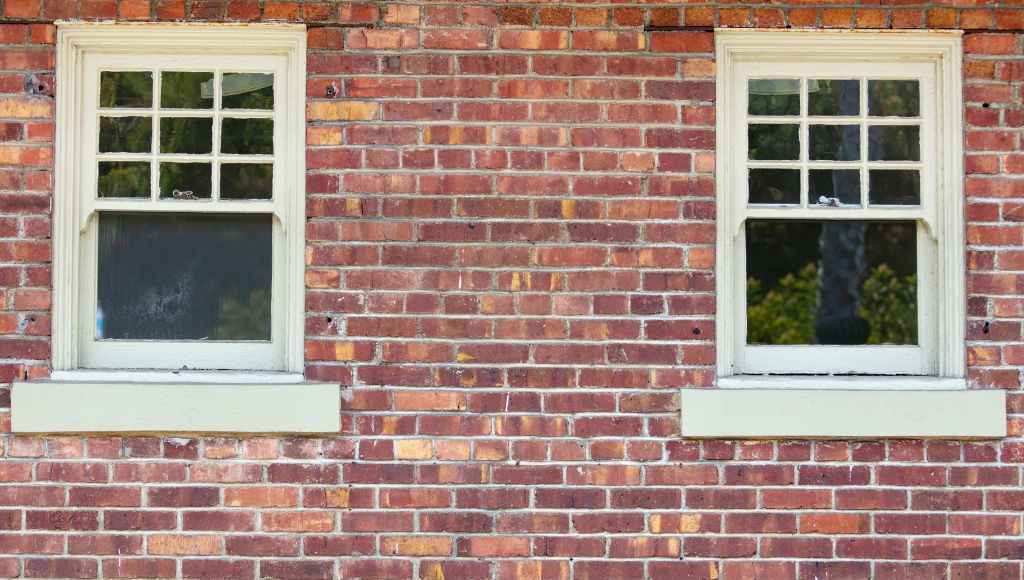
To draughtproof a timber vertical sliding sash window, replace worn parting beads and staff beads with new ones fitted with brush draught seals, service the sash cords and pulleys so the window sashes sit and close correctly, and seal the meeting rail where the two sashes overlap. This prevents cold air from entering your home and can noticeably reduce heat loss. It’s a genuine short- to medium-term fix, but if your frames are old, rotten, or single-glazed, a full replacement with A-rated double glazing is the long-term solution.
If you’re a Leicester homeowner with period-style timber sash windows, you’ll know the feeling: that thin whistle of cold air on a January evening, or the draught that creeps in no matter how tightly you pull the curtains. Here’s exactly what’s causing it, and what you can do about it.
What Causes Draughts In Timber Sash Windows?
Timber vertical sliding sash windows operate by sliding up and down within a timber box frame, balanced by weights on the sash cords. That sliding action is exactly what makes them prone to draughts.
Common causes include:
- Worn or shrunk timber: decades of opening and closing polish the sliding surfaces smooth and open up tiny gaps.
- Failed putty or old glazing: cracked putty around single-glazed panes lets cold air track in through the gaps around the glass.
- Damaged parting beads and staff beads: these thin timber strips keep the sashes running in their tracks; once worn, they no longer seal properly.
- Loose sash cords: if the cords or pulleys are worn, the sashes won’t sit square in the frame, leaving gaps at the sides and meeting rail.
- Gaps at the meeting rail: the point where the top and bottom sashes overlap is one of the biggest sources of cold air entering your home.
Once you know where the draughts are coming from, you can tackle them in the right order.
How Do You Draught Proof A Timber Vertical Sliding Sash Window?
Draught proofing your sash windows properly is a step-by-step process, not a single quick fix:
- Inspect the window frames: Check for rot, cracked putty, worn beads, and loose or snapped sash cords before doing anything else. Sealing over a rotten frame won’t last.
- Repair any timber damage: Small areas of rot can be treated with a two-part resin filler; more extensive damage may require replacing a section of timber.
- Fit new parting beads and staff beads. Modern replacement beads often come with an integrated brush seal, providing a reliable seal without extra work.
- Add brush or compression seals at key gaps: particularly the meeting rail, the sash pockets, and where the sashes meet the frame at the head and sill.
- Service the sash cords and pulleys: New cords, lubricated pulleys, and rebalanced weights mean the sashes glide smoothly and sit correctly in the frame, which is essential for the seals to work.
- Re-test the window: Open and close it a few times to make sure the seals aren’t dragging, and the window still moves freely.
Skipping the repair step is the most common DIY mistake; seals only work if the sash is properly seated in the frame.
What Are A Parting Bead And A Staff Bead, And Why Do They Matter?
These two components come up constantly in sash window draught proofing, so it’s worth knowing what they actually do:
- The parting bead sits inside the box frame and separates the inner and outer sashes, keeping each one running in its own channel.
- The staff bead is the internal timber trim that holds the inner sash in place against the frame.
When either one wears down, warps, or is fitted badly, the sash no longer sits snugly against it, and that’s exactly where cold air gets in. Replacing both with new, well-fitted beads (ideally with built-in draught seals) is one of the most effective single steps you can take.
Should You Repair Sash Cords As Part Of Draught Proofing?
Yes. It’s easy to focus purely on seals and beading, but if the sash cords are worn or the weights aren’t balanced correctly, the window sash won’t hang square in the frame. That means uneven gaps around the edges no matter how good your new draught seals are.
A proper overhaul includes:
- Fitting new sash cords
- Lubricating and, if needed, replacing the pulley wheels
- Rebalancing the counterweights so the sash opens and closes smoothly and holds its position
Getting the mechanics right first means every seal you fit afterwards actually does its job.
Is DIY Draught Proofing A Long-Term Solution?
Basic DIY draught-proofing self-adhesive foam strips and sealant for obvious cracks can help in the short term and won’t cost much. But it has real limits:
- Cheap foam strips wear out and lose their seal within a season or two.
- The seals themselves become a point of friction every time you open and close the window, so they can work loose.
- Even with perfect draught-proofing, you’re often still relying on thin, single-glazed glass, which does very little to stop heat loss compared with double glazing.
Think of DIY draught-proofing as buying yourself time and comfort now, not as a permanent solution to heat loss through old window frames.
How Much Could Draught Proofing Save On Heating Bills?
According to the Energy Saving Trust, draught-proofing around windows and doors could save a typical gas-heated semi-detached home in Great Britain around £30 a year on energy bills, while upgrading single-glazed windows to A-rated double glazing could save around £140 a year.
Beyond the numbers, a properly sealed sash window means:
- Fewer cold spots near the window
- Less strain on your heating system
- A more even, comfortable temperature throughout the room
When Should You Consider A Full Replacement Instead?
Draught proofing is worth doing on windows that are structurally sound. But it’s time to think about replacing the sashes or the whole window if you’re seeing:
- Rotten or crumbling timber that filler can’t fix
- Sashes that no longer sit square in the frame, however much you adjust them
- Single glazing that leaves the room cold even after draught proofing
- Rattling, condensation between panes, or visible daylight around the frame
At that point, a full replacement with A-rated, multi-chambered double glazing does everything draught proofing can’t: proper long-term energy efficiency, better security, and no more annual patch-up jobs.
Why Choose Secure Trade Frames For Your Sash Window Upgrade?
We manufacture our own vertical sliding sash windows right here in Leicester, built to keep the classic look of a traditional sash while giving you modern, energy-efficient window frames that actually stop draughts for good. Every window is ‘A’ rated and multi-chambered, built on the Kommerling profile, and backed by our workmanship guarantee and fully insured installation.
If your current sash windows are past the point where draught proofing will help, take a look at our full range of windows or browse our product brochures for more detail on the materials and energy ratings we use.
The Bottom Line
Your home deserves more than just four walls; it deserves windows and doors built to last, crafted to perform, and installed by people who genuinely care. Secure Trade Frames brings Leicester’s finest A-rated uPVC windows, composite doors, and conservatories straight from our own factory floor to your doorstep, with the craftsmanship and personal service to match. Don’t settle for draughts, noise, or soaring energy bills any longer. Take the first step toward a warmer, safer, smarter home. Call 0116 261 1155. Find us at 29–33 Thurcaston Road, Leicester, LE4 5PG.
