


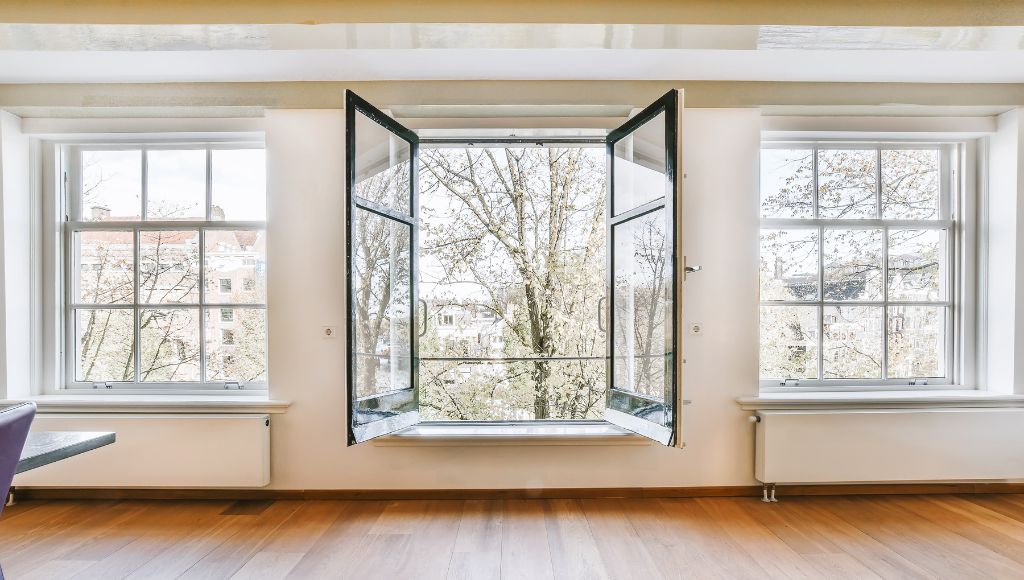
Triple glazing vs double glazing isn’t a straightforward win for either option. Triple glazing insulates better and cuts more noise, but costs more and weighs more. For most Leicester homes with reasonably modern double glazing, that extra cost buys a smaller improvement than you might expect. The right choice depends on your property, your priorities, and your budget.
What’s the Difference Between Double and Triple Glazed Windows?
Both use sealed units filled with insulating gas, usually argon between panes of glass. The difference is simply the number of panes.
- Double glazed unit: two panes of glass, one gas-filled gap
- Triple glazed unit: three panes of glass, two gas-filled gaps
That extra pane of glass in triple glazing makes the whole unit thicker and heavier, which is why it sometimes needs a reinforced frame. Both use low-emissivity (Low-E) coatings, which reflect heat back into the room; triple glazing just applies that trick across two gaps instead of one.
How Does Thermal Performance Compare?
Thermal performance is measured by a U-value in plain terms: how much heat leaks through the window. The lower the number, the better the window holds heat in.
- Double glazing: typically around 1.6 W/m²K, though good modern units reach 1.2–1.4
- Triple glazing: typically 0.6 to 1.0 W/m²K
Put simply: a good double-glazed window already holds heat well. A well-made triple-glazed one holds noticeably more.
This shows up in energy ratings too. Triple-glazed windows are nearly always A+ or A++ rated, while double-glazed windows are more typically A-rated under the Window Energy Rating scheme. Part L building regulations also accept a Window Energy Rating of Band B or better as an alternative to the U-value calculation, so A-rated double glazing isn’t just “good enough”; it’s a genuinely efficient standard in its own right, not a compromise.
| Feature | Double Glazing | Triple Glazing |
| Panes of glass | 2 | 3 |
| Gas-filled gaps | 1 | 2 |
| Typical U-value | ~1.6 W/m²K (1.2–1.4 for top-spec) | ~0.6–1.0 W/m²K |
| Typical energy rating | A | A+ / A++ |
| Meets Part L building regs? | Yes, comfortably | Yes, with margin to spare |
| Cost vs double glazing | Baseline | 10–20% more |
| Weight | Lighter — fits most standard frames | Heavier — may need reinforced frames |
| Noise reduction | Good | Better (extra pane) |
| EPC impact | Adds ~2–3 points; can lift rating 1–2 bands from single glazing | Slightly more, but improvement over A-rated double glazing is modest |
| Best suited to | Most standard homes, budget-conscious upgrades | Cold/north-facing rooms, busy roads, new builds, eco-renovations |
Does Triple Glazing Actually Reduce Heat Loss?
Yes, measurably. The middle pane acts as a thermal buffer, so the inner glass stays closer to room temperature; that’s what eliminates the cold downdraught you sometimes feel when sitting near an older window in winter.
That difference matters most in:
- Rooms with large glazed areas
- North-facing rooms that get little natural sun
- Homes on busy roads (the extra pane also dampens sound)
- Older, well-insulated homes where windows are now the weak point
In a typical Leicester semi or terrace with decent existing double glazing, though, the improvement over A-rated double glazing is incremental rather than dramatic; you won’t feel a Scandinavian-style transformation, just a steady improvement.
Will Triple Glazing Actually Lower My Energy Bills?
It depends what you’re upgrading from. The Federation of Master Builders estimates a typical 3-bedroom home uses around 11,500kWh of gas a year, costing roughly £805 under the current price cap. Upgrading from single glazing to double glazing could cut that by around £140 a year, while upgrading to triple glazing could save over £200 a year for the same starting point.
That’s the key detail: those savings are measured against single glazing. If your windows already have modern double glazing, moving to triple glazing saves noticeably less, because you’re improving on an efficient system rather than replacing draughty single panes.
What About My EPC Rating?
Windows are among the factors an EPC assessor records, alongside walls, roof, and heating. Upgrading from single to double glazing can lift a home’s EPC score by roughly 5–10 points, and going from single glazing or an early double-glazed install to modern glazing can move a property up one or even two EPC bands in some cases.
The catch: an assessor rates the whole building walls, roof, heating, ventilation not glazing alone. Moving from single to double glazing typically adds around 2–3 points to the score, which is a genuine but modest change, and the jump from double to triple is smaller still. If you’re chasing a specific EPC band for a sale or rental, glazing helps, but it’s one lever among several.
What Does Triple Glazing Cost Compared to Double Glazing?
Triple glazing typically costs 10–20% more to buy and install than double glazing. There’s a physical cost too: triple-glazed units are heavier, so older frames and openings sometimes need reinforcing or replacing to take the extra weight, which is worth factoring in before you commit, especially on period properties or upper floors.
When Does Triple Glazing Make Sense?
Triple glazing earns its place when:
- You’re still on single glazing or windows over 15–20 years old
- Your home has large glazed areas facing north or east
- Your road is noisy and sound reduction matters as much as heat
- You’re building new, doing a full renovation, or targeting a specific EPC band
- You want the lowest possible U-value for an eco-renovation or Passivhaus-style build
If none of that applies, say, you’re replacing ageing single glazing on a standard semi on a sensible budget, then well-specified A-rated double glazing delivers most of the thermal and acoustic benefits at a lower cost.
What Are the Practical Drawbacks?
- Weight: heavier units put more strain on frames, hinges and fixings; not every existing opening can take it without modification
- Cost: 10–20% more upfront, with a longer payback period
- Light transmission: marginally lower with three panes, worth noting in already-dim rooms
- Diminishing returns: if your current double glazing is already A-rated, the improvement is smaller than many homeowners expect
A proper survey before specifying triple glazing isn’t optional; it’s how you avoid discovering frame or hinge problems after installation, not before.
Which Window Styles Offer Triple Glazing?
We fit triple glazing across several ranges, not just as a blanket upgrade:
- Casement windows: available in both double and triple glazed configurations
- Aluminium windows: triple-glazed options with a thermal break for maximum efficiency
- Mock sash horn windows: triple glazing available while keeping the period sash look
- Bi-fold doors: our WarmCore aluminium system supports triple glazing down to a U-value of 1.0 W/m²K
Browse the full range of windows to compare styles side by side, or get in touch for a free, no-obligation survey.
The Bottom Line
- Triple glazing has a lower U-value and higher energy rating than double glazing
- The extra performance costs roughly 10–20% more
- Savings are biggest when replacing single glazing or old double glazing; smaller if your current glazing is already A-rated
- A-rated double glazing already meets UK building regulations comfortably
- Triple glazing makes most sense for cold rooms, noisy roads, or renovations chasing the lowest possible U-value
The decision should come from an honest look at your property, not a blanket preference for one product. We carry out full surveys and give straightforward advice on whether double or triple glazing genuinely suits your home: uPVC, aluminium, or composite. Your home deserves more than just four walls; it deserves windows and doors built to last, crafted to perform, and installed by people who genuinely care.
Secure Trade Frames brings Leicester’s finest A-rated uPVC windows, composite doors, and conservatories straight from their own factory floor to your doorstep, with the craftsmanship and personal service to match. Don’t settle for draughts, noise, or soaring energy bills any longer. Take the first step toward a warmer, safer, smarter home. Call 0116 261 1155. Find them at 7A Earls Way, Churchill Industrial Estate, Thurmaston, Leicester, LE4 8DL.
